

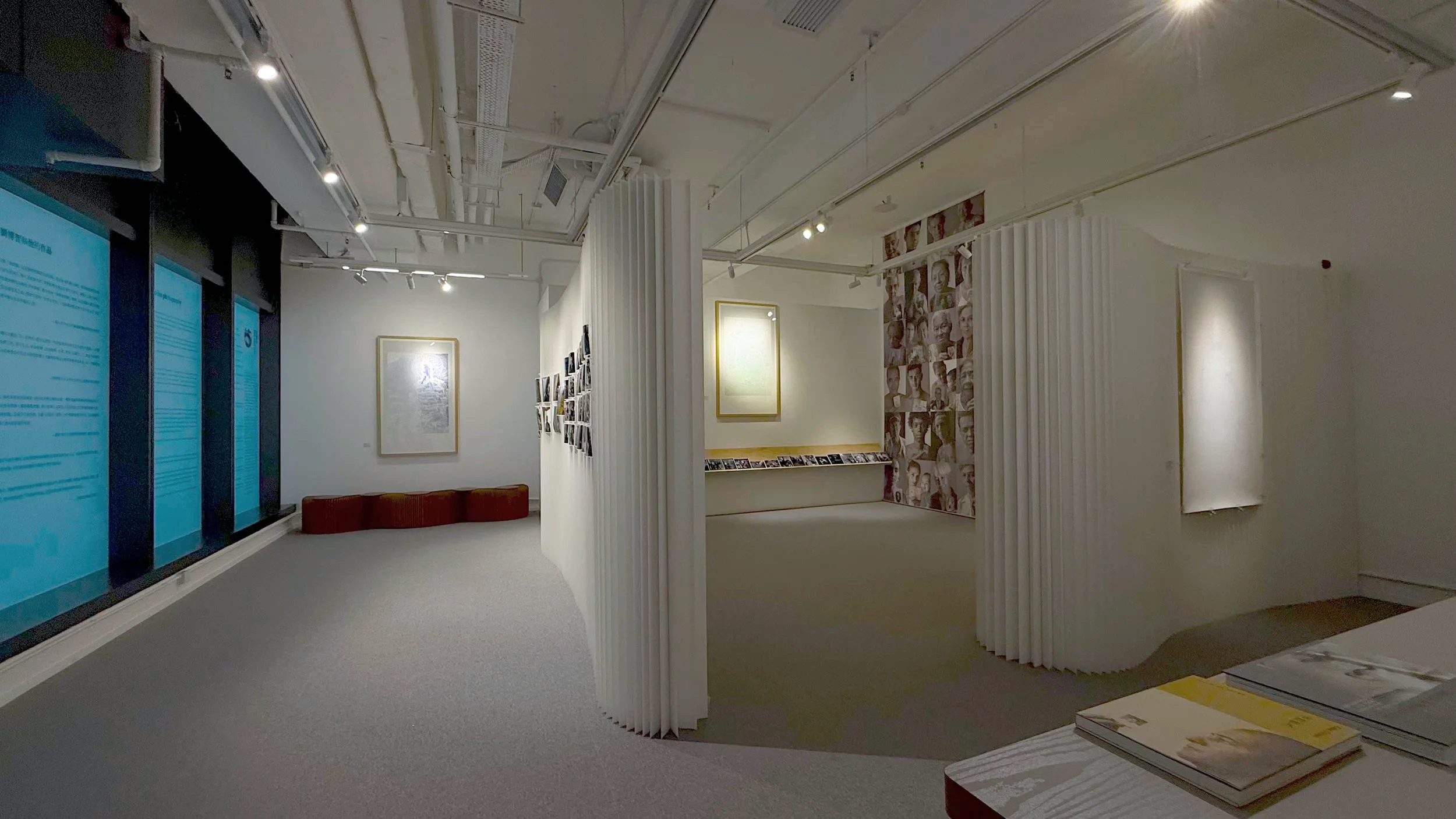
EMPTY: Pok Chi Lau's Photographs on Five Elements of Buddhism
7 MAR 2025 - 23 MAY 2025
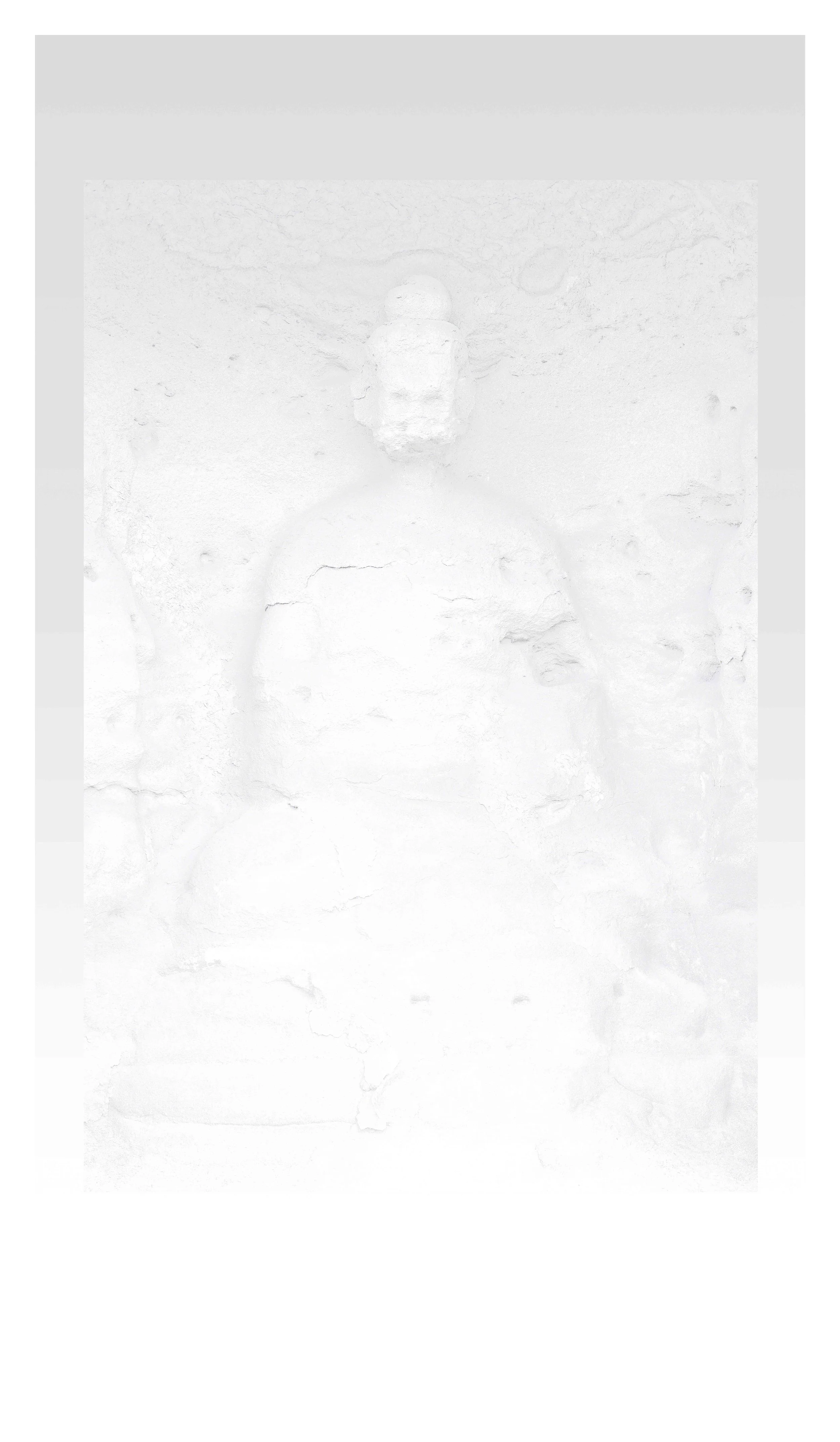
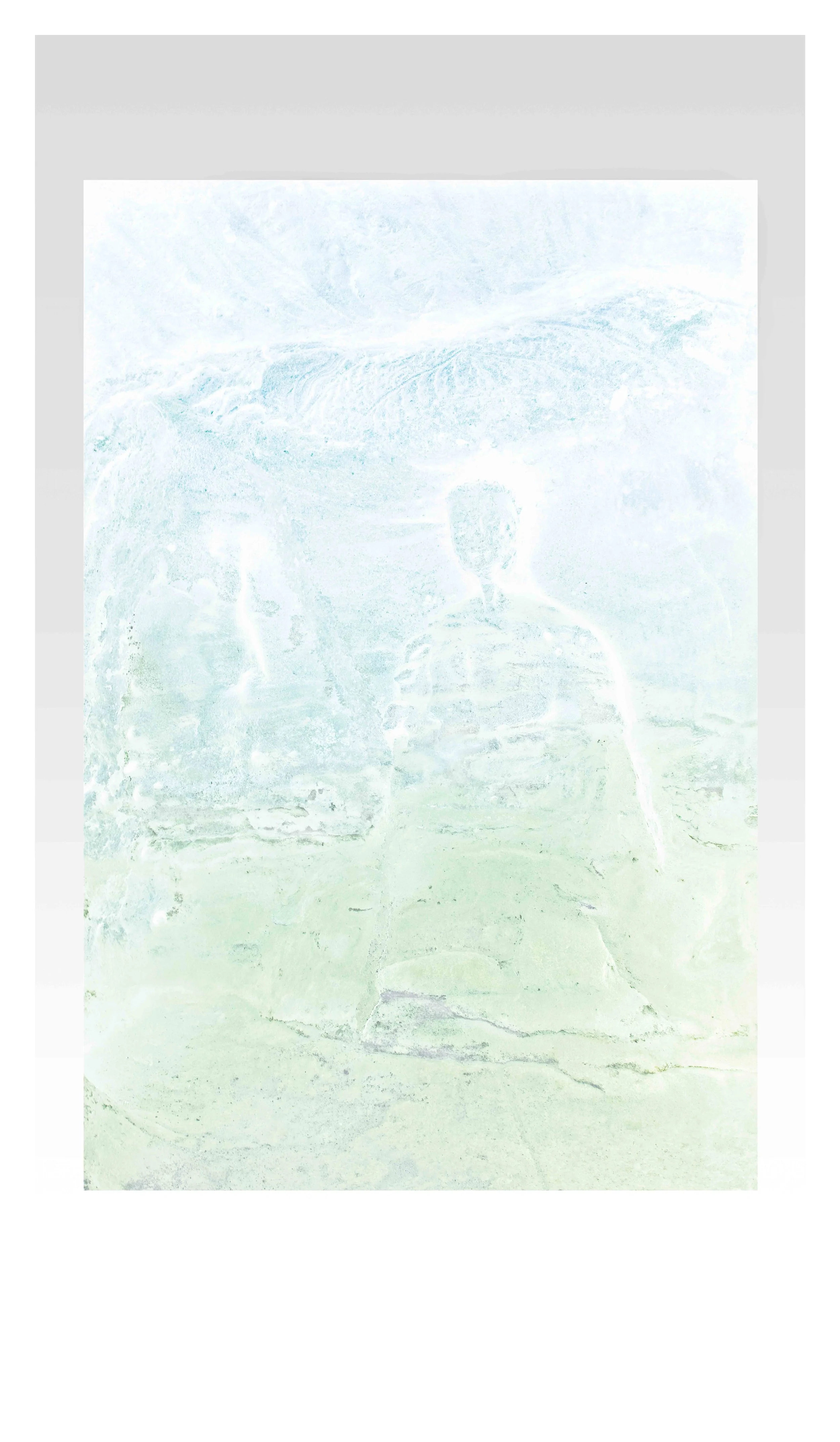
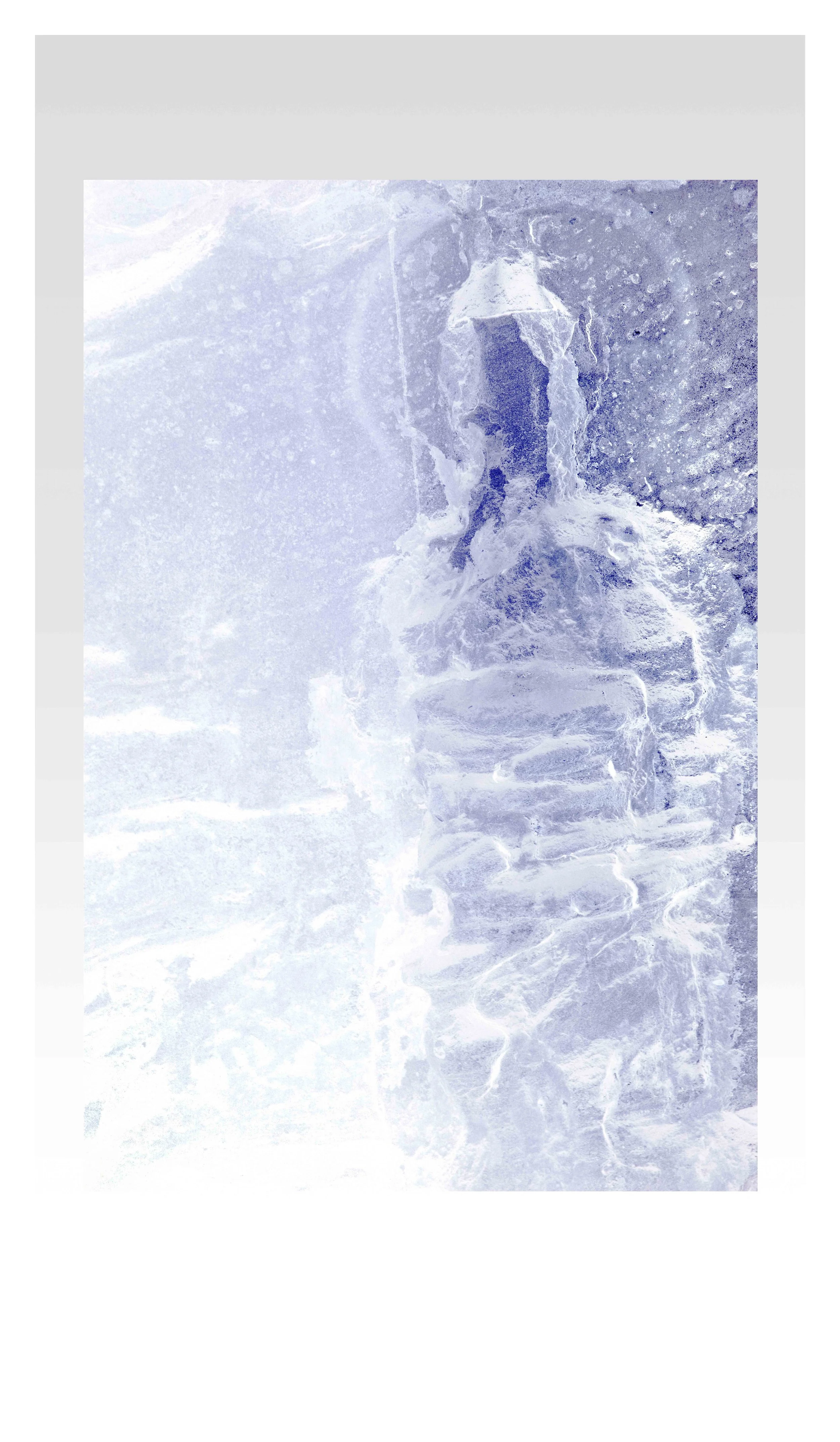
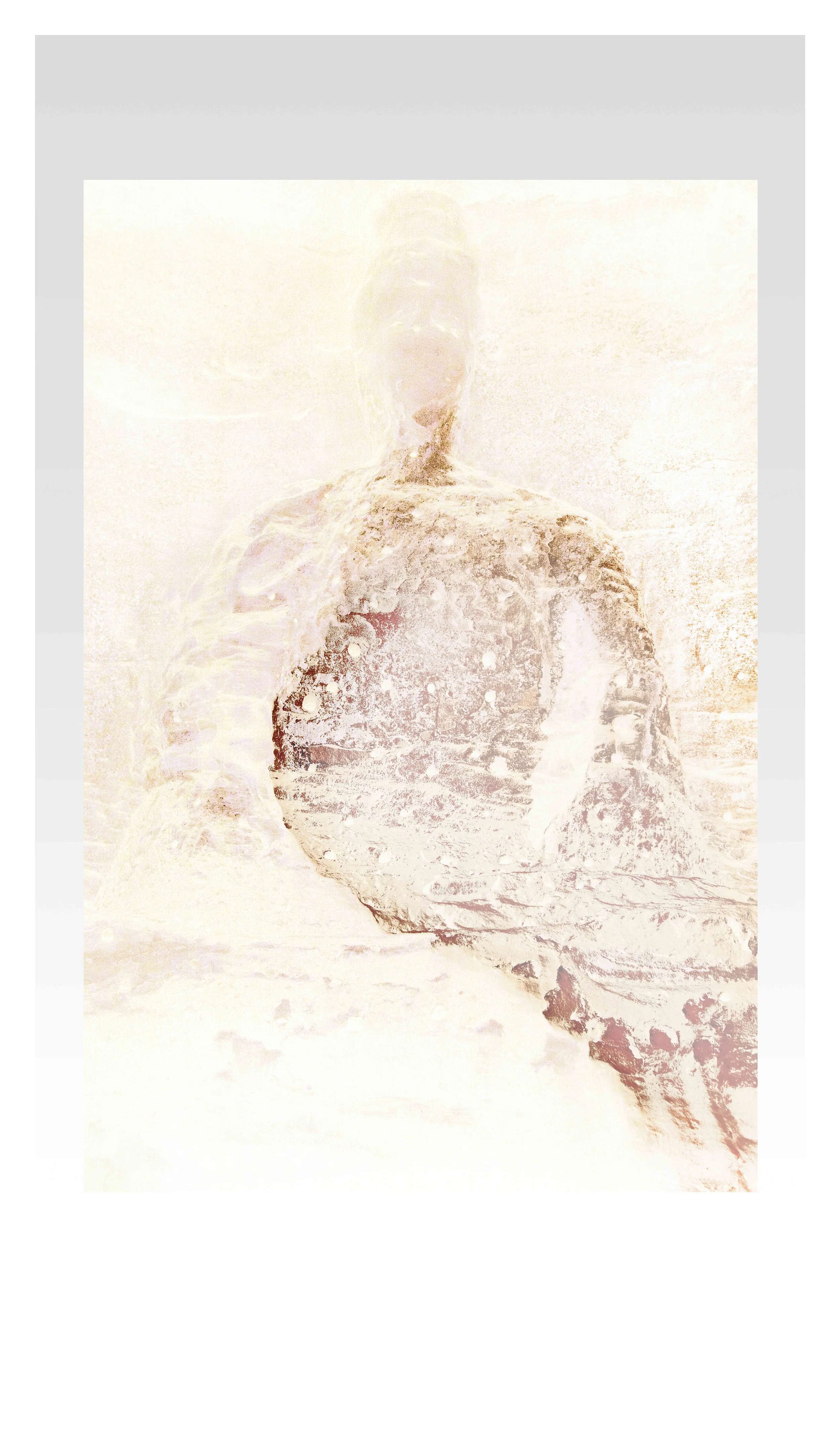
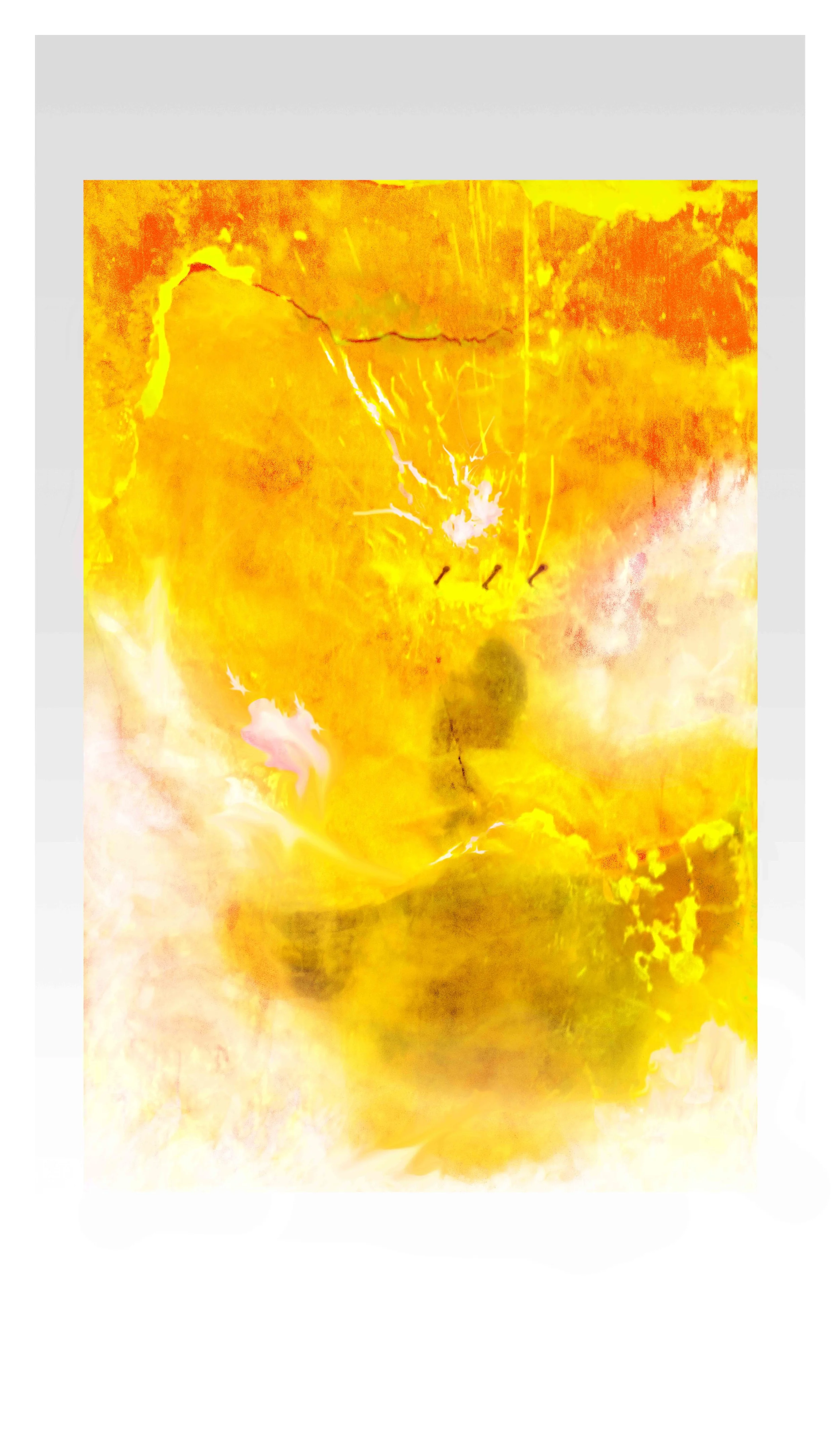
Pok Chi Lau’s Empty series is a secondary creation based on his previously photographed images of Buddhist statues. The works are highly abstract—at times resembling traditional Chinese ink painting—presenting a stark contrast to the documentary photography for which Pok Chi Lau is best known.
The title Empty derives from the Five Great Elements in Indian philosophy—Wind, Fire, Water, Earth, and Emptiness. Unlike his past works on the Chinese diaspora, Empty stands out with its strikingly abstract style, sharply diverging from Lau’s established realist approach.
According to Lau, the “Five Great Elements” also embody his attitude toward life: “Fire” is energy, passion, and the perseverance to see something through; “Water” can push, can gather; “Earth” represents stability; “Wind” is freedom; and “Emptiness” is letting go. In the process of transforming Buddhist statues from the “figurative” to the “abstract,” he also turns inward, tracing a journey from “form,” to “emptiness,” to metamorphosis.
For over fifty years, Lau has dedicated himself to tracking and documenting the culture of the Chinese diaspora through images. He has not only recorded the struggles and joys of countless Chinese who ventured overseas in search of livelihood, but also conducted in-depth fieldwork: visiting historical sites, collecting archival materials, and recording oral histories. Most often, however, he visited the homes and workplaces of his subjects—spaces rich with stories beyond the frame.
The moments he captures are charged with palpable tension, often brimming with unspoken hardship. His subjects, almost oblivious to the camera, reflect the deep trust he earned by immersing himself in their lives—often becoming like one of them. This intimacy also exposed him to joys and sorrows far beyond his own personal fate. Even as he tried to help when they faced hardship, the suffering of humanity is not something a lone “photographer” can resolve. These experiences left their mark on his heart, and it is precisely this unspeakable sense of “unsettled sorrow” that lends Empty its unique resonance.
In this series, Lau employs photography to create works imbued with the aesthetics of Chinese ink painting. He attenuates and dissolves the concrete forms of the Buddhist statues, returning them to their most essential elements—a journey from complexity to simplicity. Such a creative approach is filled with unpredictable changes and irreversible risks. While Lau’s rich inner world and consummate technical skill shape the work, the final outcome is ultimately left to fate.
In the process of erasing figurative forms in Empty, Lau may also be healing some of the unresolved griefs from the real world—those “unsettled sorrows” he could not soothe while documenting the lives of the Chinese diaspora.
This exhibition presents not only Empty but also portraits of overseas Chinese communities in the United States, Canada, Cuba, and Vietnam. Notably, recent works from Africa and Vietnam will also be on display, allowing audiences to engage directly with Lau’s latest explorations.
PREFACE
Y GALLERY
Unit C, 18/F, S22, No.22. Heung Yip Road, Wong Chuk Hang, Hong Kong
Tel: +852 6215 4589
Opening Hours: 11:00 - 18:00 (Tue-Fri) / 11:00 - 19:00 (Sat)
Closed: Sunday, Monday
POK CHI LAU THROUGH THE EYES OF THE SCHOLARS
-
Every photo he takes poses a question for which he seeks answers. This is the starting point of Pok Chi Lau’s photography. Holding a camera allows him to resolve his inner doubts in a very effective, simple, and direct way. In most cases, individuals are often seen as insignificant, especially in our country, where history tends to focus on grand events and great people, neglecting ordinary individuals.
In this context, Pok Chi Lau pays attention to each individual with curiosity and inquiry, which can be viewed as a magnificent monument created through personal observation. In a sense, Pok Chi Lau is more like a historian. The way he writes history is not with words, but through vivid scenes and pictures of those poor but dignified people.
-
Photographs taken by Pok Chi Lau can be seen as “biographies,” through which the major issues of social culture—specifically the family system, clan relations, economic behavior, livelihood, social organization, political structure, beliefs, traditions, the arts, etc.—can be interpreted. I would regard Lau's works as anthropological visual expressions and biographies of overseas Chinese rather than simply pure photography.
-
Pok Chi Lau is a photographer whose professional language is photography, which means he possesses a visual language that transcends national boundaries and races. He has successfully recorded and disseminated humanity's discrete experiences. He uses classic humanistic snapshots to capture the difficult lives of the few remaining Cuban Chinese in Cuba, combining oral interviews, document collection (photos, relics, delivery receipts), and other methods to provide as many details as possible about the evaporating "Cuban Chinese" group. His photographs embody characteristics of anthropology and ethnography as well.
-
Deep down, Pok Chi Lau’s pride in speaking Cantonese and Toishan dialects to his subjects demonstrates his homesickness, which is tied to his search for identity that drives him to seek out Chinese immigrants living alone in America.
In almost all of his portraits of Overseas Chinese, Pok Chi comments on the small details in the pictures that reflect the Chinese identity of his subjects. Regardless of whether they are third-generation mixed-race Chinese or have no Chinese bloodline at all—except for being adopted by a Chinese godfather, such as Caridad Amaran—they all have a statue of General Guan Gong, Buddha ceramics, and Chinese calligraphy scrolls in their homes.
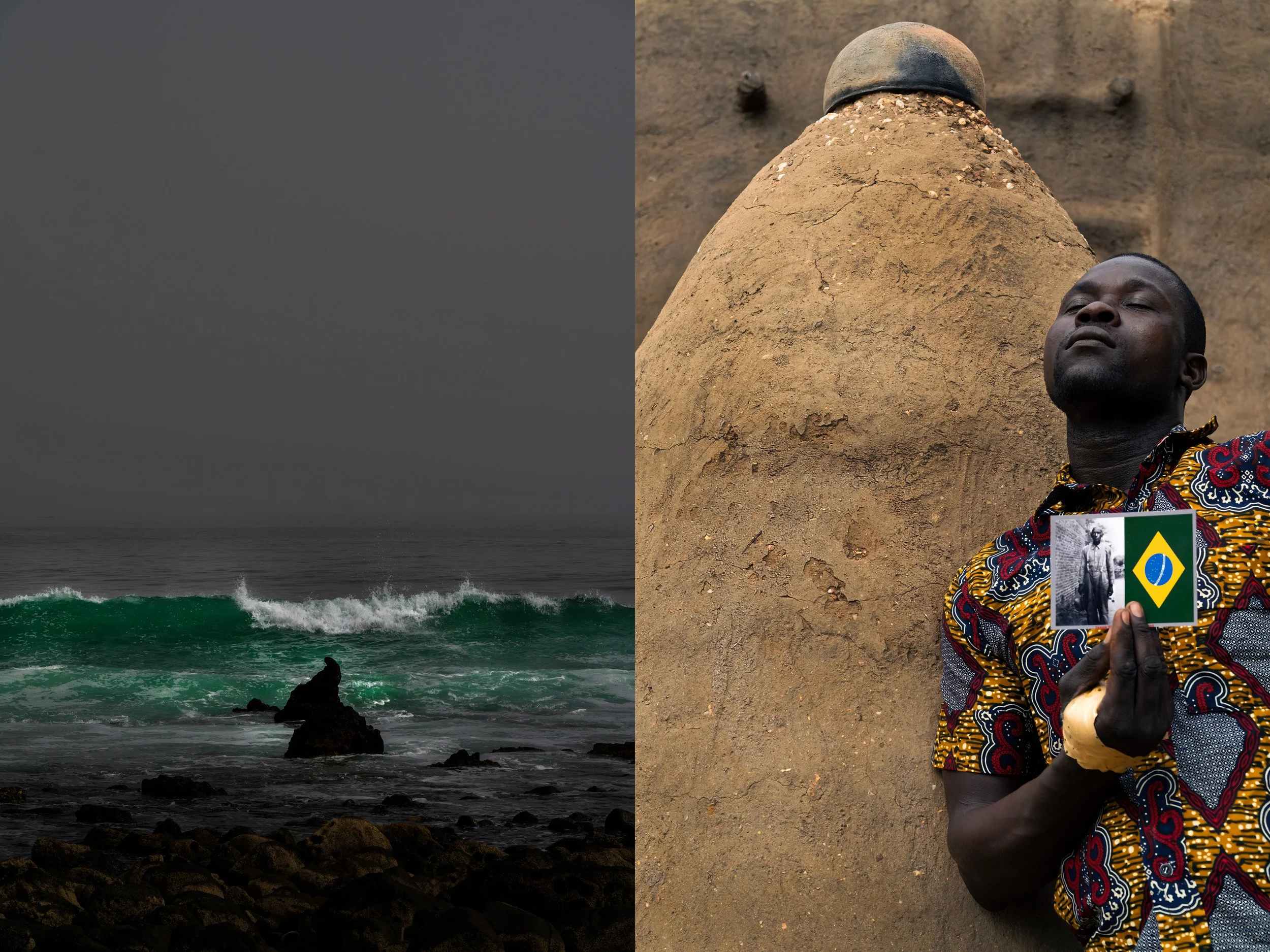
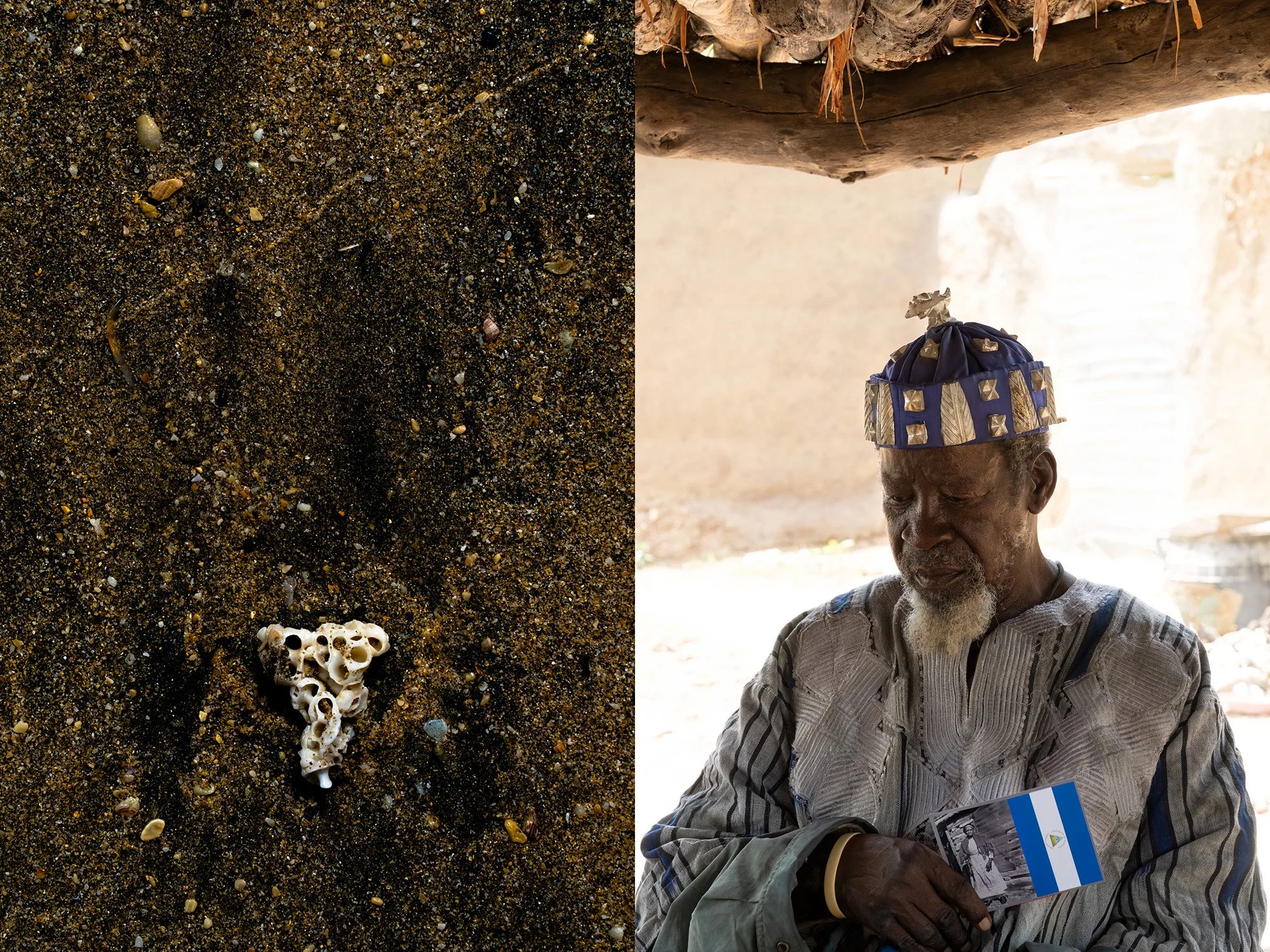

Pok Chi Lau is a documentary photographer born in British Hong Kong in 1950. He left for America in 1969 and studied at the Brooks Institute of Photography majoring in Industrial and Scientific Photography (75’ BPA) and the California Institute of the Arts (77’MFA). His teaching career in photography began at the University of Kansas in 1977 and is an Emeritus Professor since 2013. His social documentary photography work over 5 decades engages historical and anthropological contexts focusing on the Chinese Diaspora in the Americas, China, Cuba, Malaysia, Myanmar, West Africa, and currently Vietnam.
As a member of the Overseas Chinese, Pok Chi Lau benefits from the convenience of observing and documenting this society from an internal and unique perspective, one that is neither western or local, objective and detailed at a cellular level. Never confined to one place, Lau attempts to reach many parts of the world where Chinese communities can be found. The focus is always on the soon-to-disappear trails of life, grand or trivial: one-room homes, private living quarters, kitchens, cluttered surroundings, wall hangings, objects on shelves and in refrigerators; details reflecting the living conditions, political and religious believes or the lack thereof, dreams and aspirations, ancestry and identity, traditions and new values. His subjects’s postures and expressive gaze often suggest the state of their complex psyche surviving in the new world.
Lau has had over 60 one-person exhibitions, 90 group exhibitions world wide and in collections of many institutions. He has published 7 books, many online reviews on the topic of world-wide Chinese diaspora in China.
ARTIST | LAU POKCHI